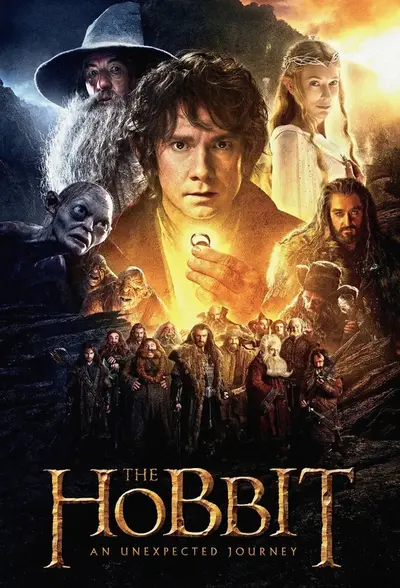
Direct adaptation of the story from the book into a trilogy, although the filmmakers stretched the story a bit using appendixes and notes from Tolkien's other books.
Book· 1937· Fantasy
The Hobbit: 1 recorded work traces back to it, and it draws on 4 recorded sources.
Works that record this one as a source, with the evidence a contributor gave.
Direct adaptation of the story from the book into a trilogy, although the filmmakers stretched the story a bit using appendixes and notes from Tolkien's other books.
The works this one is recorded as drawing on.
Narrative: Bilbo steals a cup from Smaug's hoard, just as a thief steals a cup from the dragon in Beowulf, provoking the dragon's wrath. Character: Smaug's intelligence, pride, and possessiveness owe much to the Beowulf dragon. Théoden embodies the ideal of the Anglo-Saxon king, ruling from a great hall and inspiring loyalty through generosity and courage. Worldbuilding: Meduseld, the Golden Hall of Rohan, strongly recalls Heorot, King Hrothgar's great hall in Beowulf. The Rohirrim's language, poetry, and social customs are deliberately based on Anglo-Saxon culture. Thematic: Both works dwell on the transience of kingdoms, the inevitability of death, and the enduring value of honour in the face of loss. Stylistic: Tolkien adopts an elevated, archaic register in many speeches and songs, echoing the diction and rhythm of Old English verse.
Smaug was directly inspired by Fáfnir, the intelligent, treasure-hoarding dragon whose greed defines the Völsunga Saga.
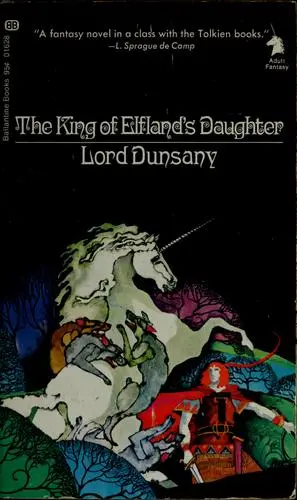
Tolkien admired Lord Dunsany, although his own style became more grounded in Norse and Anglo-Saxon traditions. Shared elements include: