Book· 1985· Science Fiction

The Handmaid's Tale

by Margaret Atwood

The Handmaid's Tale: 1 recorded work traces back to it, and it draws on 2 recorded sources.

Open on the map

What The Handmaid's Tale influenced

Works that record this one as a source, with the evidence a contributor gave.

The Handmaid's Tale

TV Series · 2017

AdaptationHIGH

Bruce Miller's series adapts Atwood's 1985 novel, with Atwood as consulting producer and in a first-episode cameo. Season one follows the book closely and then runs past its ending, which the novel leaves deliberately open at the van door. Atwood's own sequel, The Testaments, was written alongside the show.

What influenced The Handmaid's Tale

The works this one is recorded as drawing on.

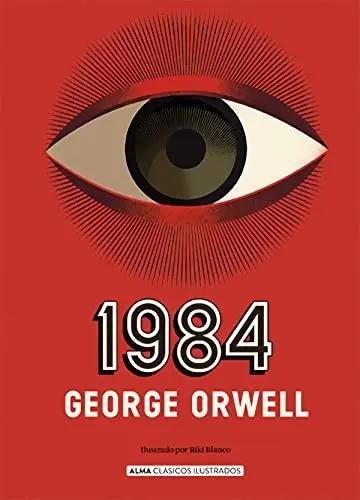
1984

Book · 1949

InfluenceHIGH

Atwood has written about Orwell as a direct model, including an introduction to 1984 itself, and the structural borrowing is unmistakable: both novels end with an academic appendix set long after the regime has fallen. Orwell closes on a note about Newspeak; Atwood closes on the Symposium on Gileadean Studies, where a professor makes jokes about the woman whose recording we have just heard. Both devices do the same work, telling you the tyranny ended without letting that be a comfort.

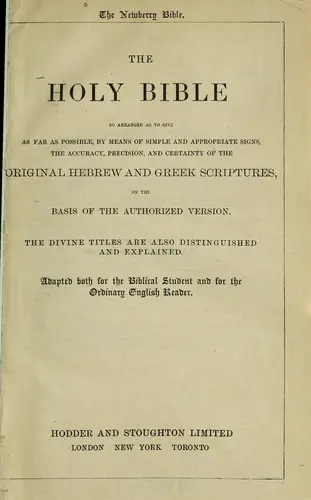
Bible Holy Bible

Scripture · 400

InfluenceMEDIUM
  • Draws on biblical stories, especially the Book of Genesis story of Rachel, Leah, and their handmaids, which inspired the role of the Handmaids in Gilead.
  • Uses biblical language, rituals, and quotations to show how religious texts can be interpreted and manipulated to justify political power.
  • Reimagines themes of fertility, patriarchy, obedience, and control from the Bible within a dystopian society.
  • Critiques the use of selective religious interpretation by showing how scripture can be weaponized to restrict women’s rights and autonomy.

About the work

The Handmaid's Tale

The Handmaid's Tale is a dystopian novel by Canadian author Margaret Atwood, published in 1985. It is set in a near-future New England, in a strongly patriarchal, totalitarian theonomic state, known as the Republic of Gilead, which has overthrown the United States government. The central character and narrator is a woman named Offred, one of the group known as "handmaids", who are forcibly assigned to produce children for the "commanders" — the ruling class of men in Gilead. The novel explores themes of subjugated women in a patriarchal society, loss of female agency and individuality, and the various means by which they resist and attempt to gain individuality and independence. The Handmaid's Tale won the 1985 Governor General's Award and the first Arthur C. Clarke Award in 1987; it was also nominated for the 1986 Nebula Award, the 1986 Booker Prize, and the 1987 Prometheus Award.