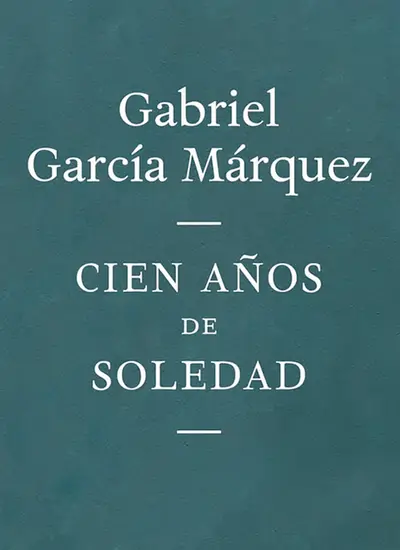
The novel tells the story of Juan Preciado, a man who promises his mother on her deathbed to meet Preciado's father for the first time in the town of Comala only to come across a literal ghost town, that is, populated by spectral characters. During the course of the novel, these ghostly inhabitants reveal details about life and afterlife in Comala, including that of Preciado's reckless father, Pedro Páramo, and his centrality for the town. Initially, the novel was met with cold critical reception and sold only two thousand copies during the first four years; later, however, the book became highly acclaimed. Páramo was a key influence on Latin American writers such as Gabriel García Márquez. Pedro Páramo has been translated into more than 30 different languages and the English version has sold more than a million copies in the United States. Gabriel García Márquez has said that he felt blocked as a novelist after writing his first four books and that it was only his life-changing discovery of Pedro Páramo in 1961 that opened his way to the composition of his masterpiece, One Hundred Years of Solitude. Moreover, García Márquez claimed that he "could recite the whole book, forwards and backwards." Jorge Luis Borges considered Pedro Páramo to be one of the greatest texts written in any language.