Poetry· 1667· Religious

Paradise Lost

by John Milton

Paradise Lost: 3 recorded works trace back to it, and it draws on 1 recorded source.

Open on the map

What Paradise Lost influenced

Works that record this one as a source, with the evidence a contributor gave.

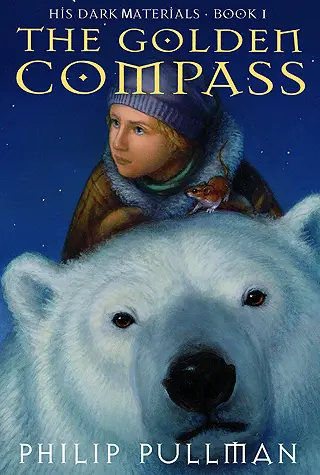
His Dark Materials

Book · 1995

InfluenceHIGH

The trilogy takes its name from Book II of Paradise Lost, prints the lines as its epigraph, and Pullman has described the whole work as Milton's story told from the other side. He has also said, of Milton and Blake, that he is of the Devil's party and knows it, which is Blake's line about Milton turned into a plan. The Fall is rewritten as the thing that had to happen: Lyra and Will repeat it, and the book treats the consequence as a gain rather than a loss.
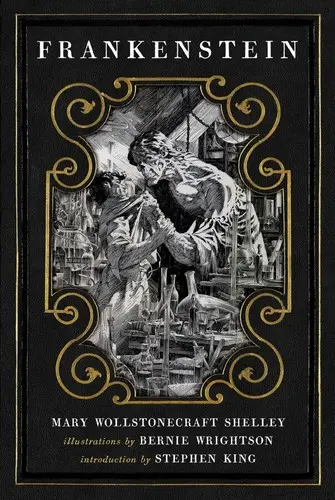
Frankenstein

Book · 1818

InfluenceMEDIUM

John Milton's Paradise Lost provides the novel's most important literary framework for interpreting the Creature's identity. After reading the poem, the Creature compares himself first to Adam, believing he should have been loved by his creator, and then to Satan, feeling rejected and driven toward revenge. Victor resembles God as the creator but fails in the care and guidance expected of a creator, while the Creature's transformation from innocence to bitterness parallels Satan's fall from grace. By adapting Milton's retelling of biblical creation and rebellion, Shelley deepens her exploration of isolation, injustice, and the consequences of neglected responsibility.

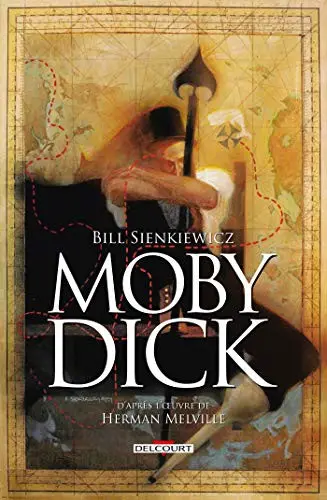
Moby Dick

Book · 1851

InfluenceMEDIUM

Milton's epic about Satan's rebellion against God strongly influenced Ahab. Like Satan: Ahab is proud and defiant. He refuses to submit to a higher power. His determination is both admirable and self-destructive. Some critics even call Ahab a "Miltonic hero."

What influenced Paradise Lost

The works this one is recorded as drawing on.

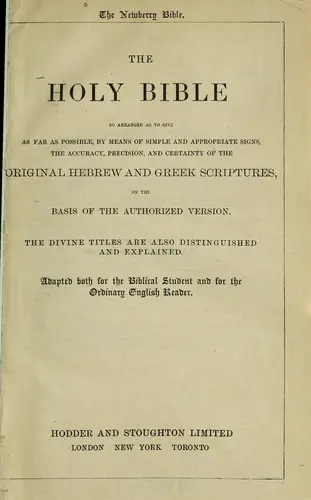
Bible Holy Bible

Scripture · 400

InfluenceHIGH
  • Paradise Lost is primarily based on the biblical accounts of creation, the Fall of Man, and humanity's first disobedience.
  • Its main source is the Book of Genesis, particularly the stories of Adam and Eve, the Garden of Eden, the Tree of Knowledge, and the temptation by the serpent.
  • Milton expands the brief biblical narrative by imagining events the Bible does not describe in detail, such as Satan's thoughts, the war in Heaven, and conversations between angels.
  • The character of Satan is inspired by biblical references to the devil found throughout Scripture, especially in books such as Book of Isaiah, Book of Ezekiel (as traditionally interpreted), and the Book of Revelation.
  • The poem draws on the New Testament's teachings about sin, temptation, redemption, and humanity's need for salvation through Christ.
  • God, the Son, Adam, Eve, the angels, and Satan are all biblical figures whose roles Milton develops into fully realized literary characters.

Milton uses biblical themes of free will, obedience, justice, forgiveness, and the consequences of pride to explore why evil exists and why humanity suffers.

  • Rather than changing the Bible's central message, Milton sought to dramatize and explain it, famously stating that his purpose was to "justify the ways of God to men."

About the work

Paradise Lost

John Milton's Paradise Lost is one of the greatest epic poems in the English language. It tells the story of the Fall of Man, a tale of immense drama and excitement, of rebellion and treachery, of innocence pitted against corruption, in which God and Satan fight a bitter battle for control of mankind's destiny. The struggle rages across three worlds - heaven, hell, and earth - as Satan and his band of rebel angels plot their revenge against God. At the center of the conflict are Adam and Eve, who are motivated by all too human temptations but whose ultimate downfall is unyielding love. Marked by Milton's characteristic erudition, Paradise Lost is a work epic both in scale and, notoriously, in ambition. For nearly 350 years, it has held generation upon generation of audiences in rapt attention, and its profound influence can be seen in almost every corner of Western culture.