Tabletop RPG· 1974· Role-Playing

DnD, D&D

by Gary Gyrax, David Lance Arneson

DnD, D&D: 3 recorded works trace back to it, and it draws on 8 recorded sources.

Open on the map

What DnD, D&D influenced

Works that record this one as a source, with the evidence a contributor gave.

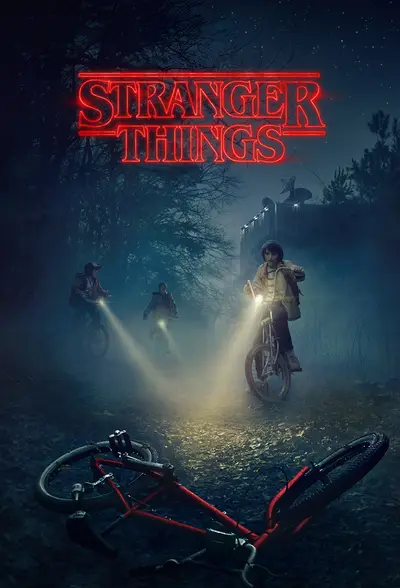
Stranger Things

TV Series · 2016

InfluenceHIGH

The Duffer Brothers have explicitly described D&D as one of the show's major inspirations.

  • The kids' party structure → Mike, Dustin, Lucas, Will, etc. each fill different "party" roles.
  • The Upside Down adventure structure → essentially treated like a gigantic D&D campaign.
  • Monster naming → Demogorgon, Mind Flayer, Vecna.
  • Vecna himself → directly borrowed from the D&D villain.
  • How the kids understand supernatural events → they use D&D monsters as analogies for things they don't understand.
  • Dungeon Master mentality → the Duffers have compared the writers to DMs, throwing increasingly difficult challenges at their characters.
  • Character archetypes → the kids' D&D roles reflect their personalities in the real world.

The Duffers actually described Stranger Things as being like a massive D&D campaign where the role-playing takes over their lives.
Dungeon Crawler Carl

Book · 2020

InfluenceHIGH

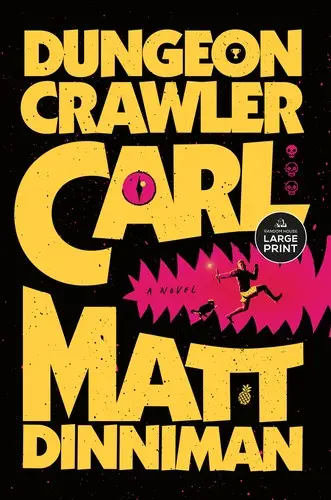
The whole LitRPG form is D&D's grandchild and Dinniman's novel does not disguise it. Character sheets, levels, loot tables and a dungeon that goes down in floors are printed on the page as mechanics rather than described as magic. What Carl adds is the joke underneath: the dungeon is a televised game show, so the rules exist because somebody is watching, which is the one thing a tabletop session never has to explain.

What influenced DnD, D&D

The works this one is recorded as drawing on.

Chainmail

Tabletop RPG · 1971

InfluenceHIGH

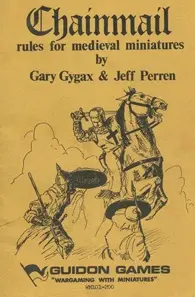
Gary Gygax and Jeff Perren's medieval miniatures wargame provided the combat rules that became the mechanical foundation of D&D. Dave Arneson then used Chainmail in his Blackmoor campaign, adding individual characters and ongoing roleplaying. Gygax later said Arneson's campaign was the inspiration from which he created the D&D rules.

The Lord of the Rings

Book · 1954

InfluenceHIGH

Inspired by : Hobbits/halflings, orcs, ents, dwarves, elves, fantasy races and other creatures . Early D&D's balor is essentially an adaptation of the Tolkien-style Balrog concept, while avoiding the protected name.

Real-world influences

Events, places, movements and ideas outside fiction that this work is recorded as drawing on.

Mythology & Folklore

Real world

Real-world influenceHIGH
  • Medieval Folklore

Inspired by the medieval folklore : Dragons, faeries, undead, demons, witches, etc.

Mythology & Folklore

Real world

Real-world influenceHIGH
  • Greek mythology

Inspired by the Greek Mythology Monsters : Medusa, minotaur, hydra, centaurs, etc.

About the work

DnD, D&D

Set in the Dungeons & Dragons universe.

Dungeons & Dragons (commonly abbreviated as D&D or DnD)[2] is a fantasy tabletop role-playing game (TTRPG) originally created and designed by Gary Gygax and Dave Arneson. The game was first published in 1974 by Tactical Studies Rules (TSR). It has been published by Wizards of the Coast, later a subsidiary of Hasbro, since 1997. The game was derived from miniature wargames, with a variation of the 1971 game Chainmail serving as the initial rule system. D&D's publication is commonly recognized as the beginning of modern role-playing games and the role-playing game industry, which also deeply influenced video games, especially the role-playing video game genre. Since you read this until the end, here is the free available first edition of the 1974 original guide book, happy geeking ;) : https://archive.org/details/dndbook1