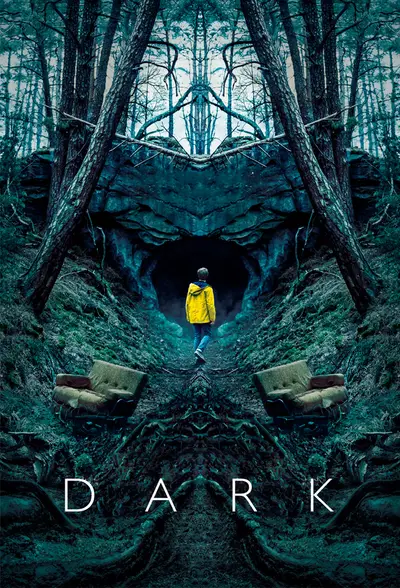
Michael Ende's work explores:
- cycles,
- identity,
- destiny,
- stories within stories.
The creators have mentioned Ende as an important German literary influence.
Book· 1979· Fantasy
by Michael Ende
Die unendliche Geschichte (The NeverEnding Story): 4 recorded works trace back to it, and it draws on 2 recorded sources.
Works that record this one as a source, with the evidence a contributor gave.
Michael Ende's work explores:
The creators have mentioned Ende as an important German literary influence.
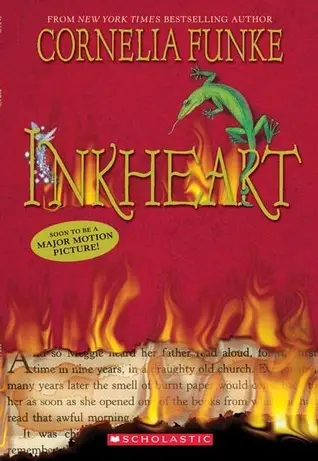
Cornelia Funke has acknowledged Michael Ende as an important influence on her work. Inkheart reflects this influence through its central idea that the boundary between books and the real world can be crossed, its focus on the power of stories to affect reality and identity, and its use of metafiction, where storytelling itself is part of the narrative. These similarities are thematic rather than plot-based, and Inkheart develops them in its own original way.
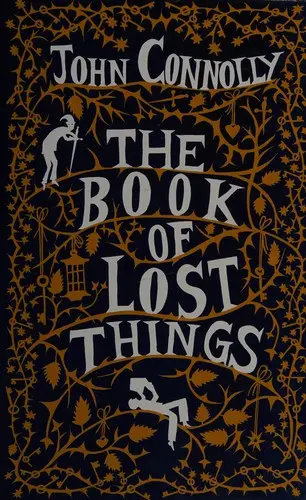
John Connolly has named Michael Ende among the writers he admired and who influenced his imagination, alongside authors such as C. S. Lewis and J. R. R. Tolkien. Like The Neverending Story, it features: A lonely child protagonist escaping into a fantasy realm. A fantasy world that reflects the protagonist's emotional and psychological state. A coming-of-age journey where the adventure is tied to personal growth rather than simply defeating a villain.
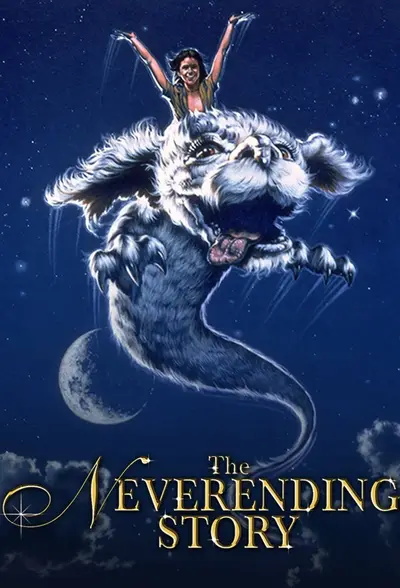
The 1984 film adapts approximately the first half of the novel: It covers Bastian reading about Atreyu's quest to save Fantastica.
The works this one is recorded as drawing on.
The Neverending Story was influenced by Alice's Adventures in Wonderland through its use of a child protagonist entering a separate fantasy world governed by symbolic rather than realistic logic. Both novels present the journey as one of personal discovery, with encounters that challenge the protagonist's understanding of identity and reality. Michael Ende also adopted Lewis Carroll's approach of using fantasy to explore philosophical and psychological ideas instead of focusing solely on adventure, although The Neverending Story develops these themes in its own distinct way.
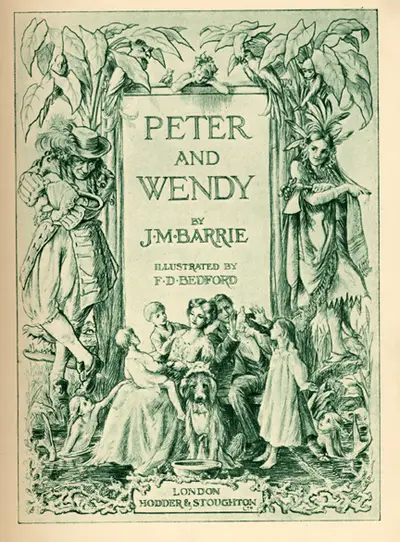
The Neverending Story reflects ideas associated with Peter Pan, particularly the relationship between childhood, imagination, and growing up. Both works feature a child who leaves the ordinary world for a fantasy realm and undergoes a personal transformation there. Michael Ende also shared J. M. Barrie's view of imagination as something that should be preserved rather than abandoned in adulthood, although The Neverending Story presents this theme through its own original story and symbolism rather than borrowing characters or plot.