BookSeries· 1996· Fantasy

A Song Of Ice And Fire

by George R. R. Martin

A Song Of Ice And Fire: 4 recorded works trace back to it, and it draws on 5 recorded sources.

Open on the map

What A Song Of Ice And Fire influenced

Works that record this one as a source, with the evidence a contributor gave.

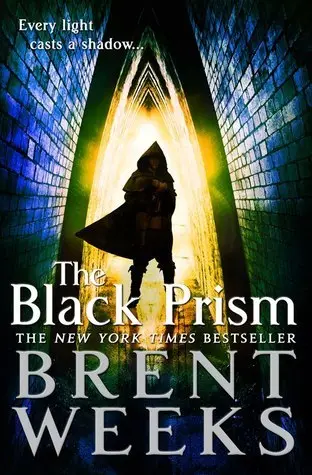
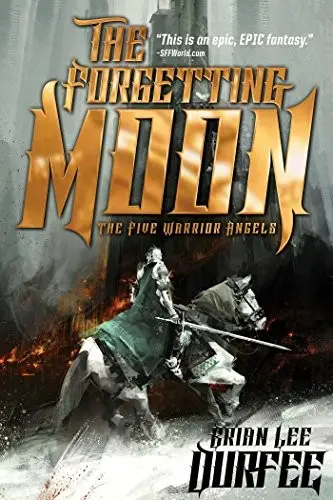
The Five Warrior Angels

Book · 2016

InfluenceHIGH

This is perhaps one of the most obvious models for the modern grim/complex epic fantasy approach: multiple POVs, political conflict, morally complicated characters, a dangerous world, and the willingness to undermine conventional heroic expectations.

The First Law

Book · 2006

InfluenceMEDIUM

Abercrombie began publishing ten years into Martin's series and has spoken about it as part of what made the market for what he wanted to write. The shared position is that the epic fantasy conventions should be honoured and then disappointed: a prophesied chosen one who is a fraud, a wise wizard whose plans are self-serving, a noble war fought for squalid reasons, and rotating close viewpoints that let the reader like somebody the next chapter will make them ashamed of. This is a claim about a moment in publishing as much as about one writer reading another.

What influenced A Song Of Ice And Fire

The works this one is recorded as drawing on.

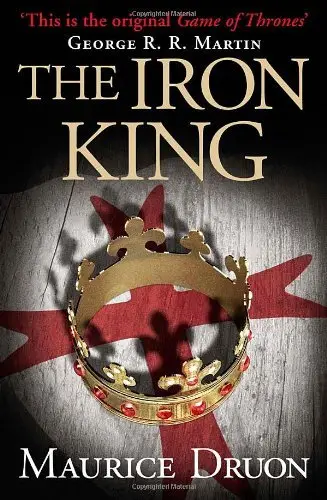
The Accursed Kings

Book

InfluenceHIGH

the single strongest non-fantasy literary influence on A Song of Ice and Fire. George R. R. Martin has praised the series extensively, calling it: "The original Game of Thrones." He has also written the foreword to English editions of the novels, explaining that Druon's work showed him how compelling dynastic politics and historical drama could be. Influences:

  • Noble houses compete for control of the throne through alliances, betrayals, and war.
  • Succession crises drive the central conflict.
  • Political intrigue is emphasized over traditional heroic adventure.
  • Major characters die unexpectedly, regardless of status.
  • Dynastic marriages are used as political weapons.
  • Family rivalries span multiple generations.
  • Realistic medieval politics take precedence over idealized chivalry.
  • Kings are portrayed as flawed, vulnerable, and constrained by politics.
  • Court conspiracies, espionage, and betrayal shape the fate of kingdoms.
  • Historical events are presented through multiple competing political factions rather than a single heroic perspective.
  • The consequences of political decisions unfold over decades.
  • Power struggles are rooted in legitimacy, inheritance, and bloodlines.
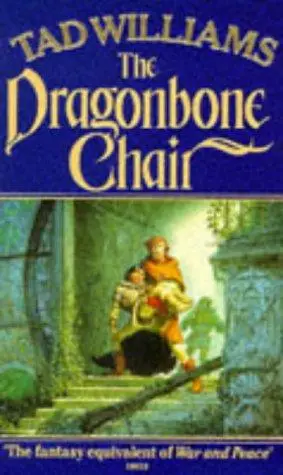
Memory, Sorrow, and Thorn

Book · 1988

InfluenceHIGH

One of Martin's quoted statements is: "I read The Dragonbone Chair and it said, 'My God, they can do something with this form,' and I wanted to do my own epic fantasy."

  • Inspired Martin to write his own epic fantasy series.
  • Demonstrated that epic fantasy could emphasize realistic, psychologically complex characters.
  • Influenced the blend of political intrigue with traditional fantasy.
  • Showed that sprawling worldbuilding could remain character-driven.
  • Helped move epic fantasy beyond simple good-versus-evil narratives.
  • Combined ancient supernatural threats with human political conflicts.
  • Featured noble dynasties and succession struggles, elements Martin further developed.
  • Used a large cast and long-form storytelling across multiple volumes.
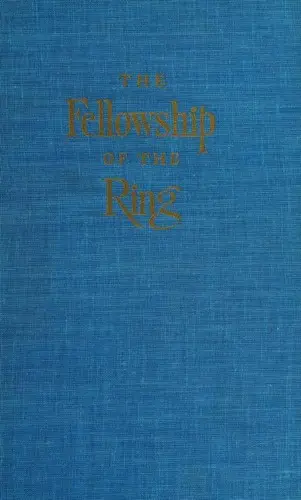
The Lord of the Rings

Book · 1954

Reaction againstHIGH

Reacts against Tolkien's clear moral divisions by portraying morally ambiguous characters, flawed heroes, and unpredictable storylines, while retaining the influence of Tolkien's expansive worldbuilding, deep history, and richly developed secondary world.

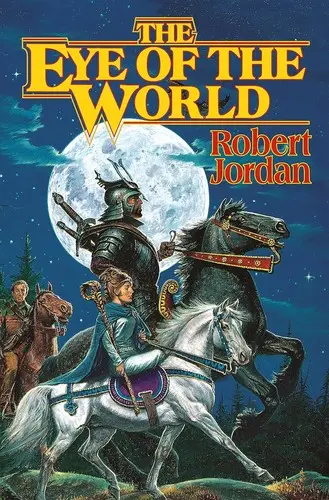
The Wheel Of Time

Book · 1990

InfluenceMEDIUM
  • Multiple POV structure following characters across the world.
  • Large ensemble cast with no single permanent protagonist.
  • Vast secondary world divided into numerous kingdoms and cultures.
  • Deep, internally consistent history spanning thousands of years.
  • Noble houses with complex political alliances and rivalries.
  • Ancient threats returning after being dismissed as legend.
  • Magic tied to forgotten ages and gradually returning to prominence.
  • Prophecies and visions shaping characters' decisions.
  • A northern frontier guarding against an ancient supernatural enemy.
  • Detailed maps, histories, genealogies, and invented lore.
  • Frequent shifts between political intrigue and large-scale warfare.
  • Characters' journeys used to gradually reveal the world.
  • Long-running mysteries rooted in the distant past.
  • Martin acknowledged Jordan's importance in shaping modern epic fantasy.

About the work

A Song Of Ice And Fire

This is a series.

Published on August 1, 1996, this novel introduces readers to the richly detailed world of Westeros and Essos, where political intrigue, power struggles, and magical elements intertwine. The story unfolds through multiple perspectives, each chapter focusing on a different character, allowing readers to experience the narrative from various angles. This complex structure has become a hallmark of Martin's storytelling, immersing readers in the lives and motivations of a diverse cast. Set in the fictional continents of Westeros and Essos, the narrative revolves around the power struggles among noble families vying for the Iron Throne, the seat of power in the Seven Kingdoms of Westeros. The story is rich with political intrigue, betrayal, and epic battles, as well as a deep exploration of themes such as loyalty, honor, and the consequences of power.
Everything in A Song Of Ice And Fire