InfluenceHIGH
The Wheel Of Time influenced The Stormlight Archive
Added by · 9 June 2026
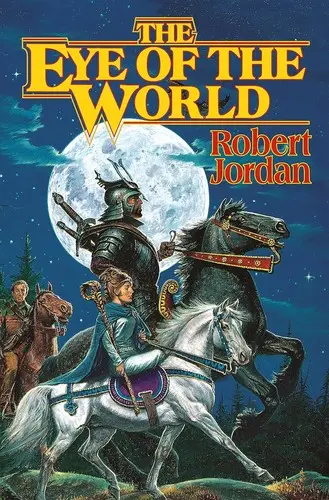
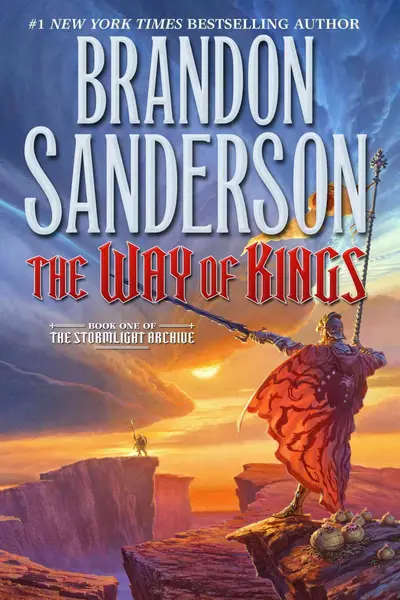
The evidence
- Multiple POV structure following numerous protagonists across the world.
- Epic scope with thousands of years of recorded history shaping the present.
- Ancient legendary orders return after centuries of decline (Aes Sedai/Warders → Knights Radiant).
- Lost civilizations whose relics and knowledge influence current events.
- A looming apocalyptic conflict rooted in ancient history (Last Battle → Desolation).
- Complex political struggles between kingdoms alongside the larger existential threat.
- Prophecies and visions that guide but do not fully determine events.
- Magic users occupy important social and political roles.
- Detailed cultures with distinct customs, clothing, religions, and languages.
- Characters uncover forgotten truths that overturn accepted history.
- Gradual revelation of the world's mythology over multiple books.
- Interludes and secondary viewpoints used to expand the world's scale.
- Long-term foreshadowing with payoffs across several novels.
- Large ensemble cast where no single protagonist dominates the narrative.
- Themes of duty, leadership, sacrifice, and bearing impossible burdens.
- - Sanderson has cited Robert Jordan as a major influence on his approach to epic fantasy and later completed the final three Wheel of Time novels, giving him direct exposure to Jordan's storytelling methods.
Discussion
Support it, question it, or add a source. Everything here is public and stays with the connection.